Council Approvals for Caravans, Tiny Homes & Expandable Homes
Understanding What Approvals May Be Required
Important: The information below is intended as a general guide only and should not be considered legal, planning, or professional advice. Always confirm current requirements with your local council or planning authority.
One of the most common questions we hear from customers considering a caravan, tiny home, or expandable home is:
"Do I need council approval?"
The answer depends on several factors, including where your property is located, how the structure will be used, and the specific planning controls that apply to your land.
Because council regulations differ between states, territories, and local government areas, there is no single set of rules that applies across Australia. Understanding the basics before you purchase or install a dwelling can help avoid unnecessary delays, unexpected costs, or compliance issues later.
When assessing whether approval may be required for a caravan, tiny home, or expandable home, councils typically consider:
Your property's zoning
Whether the structure is moveable or fixed
The intended use of the dwelling
Utility connections and servicing
Environmental and planning constraints affecting the land
The Basics
It's important to remember that:
There is no single national rulebook governing these structures.
Rules are determined by state legislation and local council planning controls.
Requirements can vary significantly between neighbouring council areas.
Regulations can change over time, so it is always worth checking current requirements before proceeding.
Useful Government & Planning Resources
Caravans & Tiny Homes on Wheels
Tiny homes on wheels are often treated differently from conventional buildings because they may fall under moveable dwelling or caravan regulations rather than standard building classifications.
However, how they are assessed depends on the state, council area, and intended use.
-
Under the Moveable Dwellings Regulation 2021, section 77, one caravan can generally be installed on a property without council approval.
However:
Some councils may still require approval for sewer or septic connections.
Certain situations involving service connections may require a Section 68 approval under the Local Government Act 1993.
Additional requirements may apply depending on how the caravan or tiny home will be occupied.
For this reason, property owners should always verify local requirements before installation.
-
Victoria supports caravans through the Dependent Person's Unit policy.
However, installations remain subject to:
Local planning schemes
Planning overlays
Site-specific council requirements
Approval requirements can therefore vary depending on the location and circumstances of the property.
-
The approach to Tiny Homes on Wheels (THOW) differs considerably between local government areas.
The Shire of Esperance, along with a growing number of other shires, actively supports Tiny Homes on Wheels through Local Planning Policy as an affordable housing option.
However:
Policies differ significantly between shires.
Requirements should always be confirmed with the relevant local authority.
-
Outside NSW, simply parking a caravan on private land will usually not require council approval.
However:
Occupancy restrictions may apply.
Time limits for habitation can vary between councils.
Local planning controls may impose additional requirements depending on the property and intended use.
Because of these variations, it is always advisable to seek guidance from the relevant council before occupying a caravan or tiny home on a long-term basis.
Many councils are already familiar with caravan regulations but may have limited experience with "tiny houses."
If a council officer is unfamiliar with the term tiny home, describing the structure as a caravan can sometimes make discussions easier and help identify the most relevant regulations.
A Helpful Tip
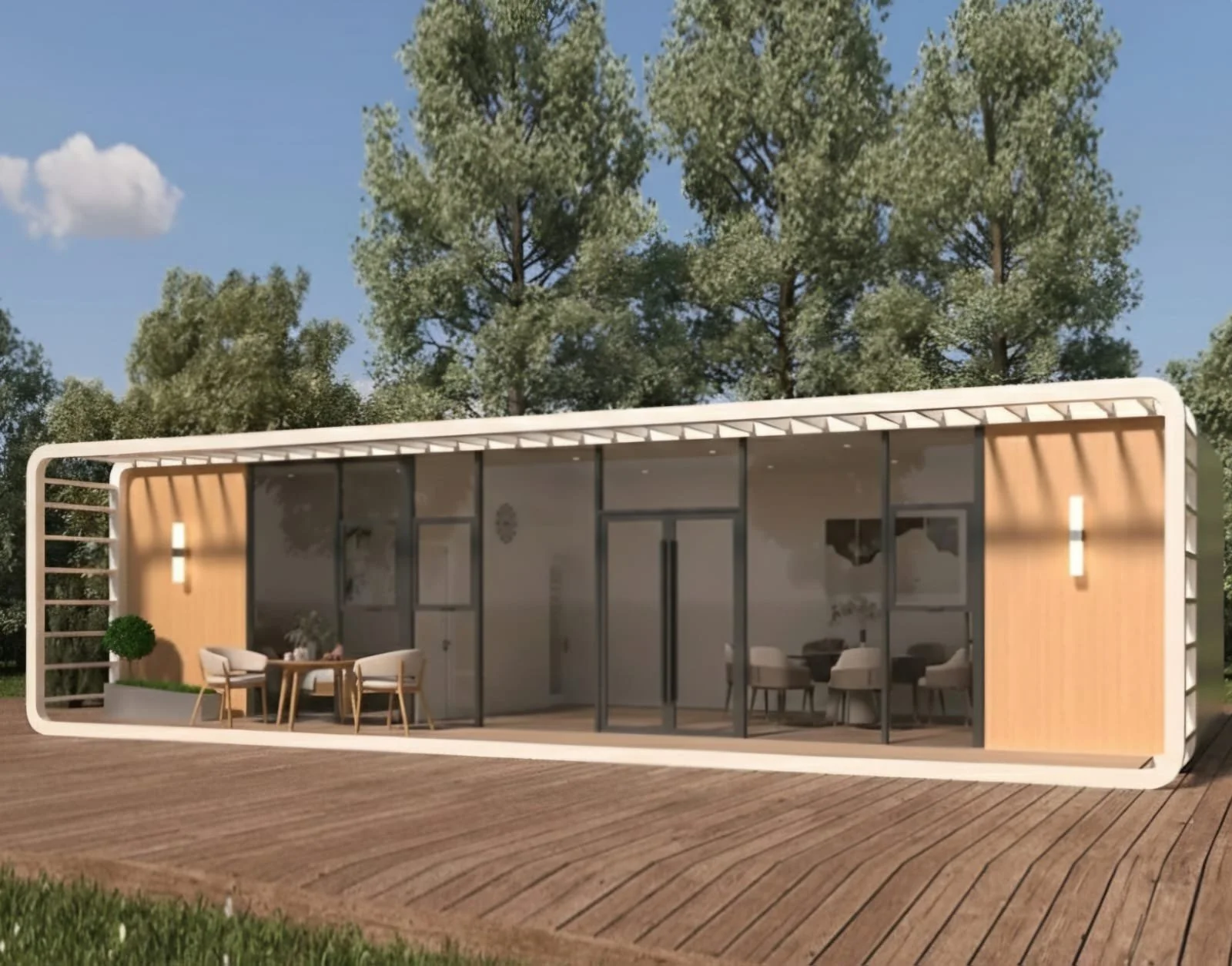
Expandable Homes & Fixed Structures
Expandable homes, modular buildings, and other fixed structures are generally assessed differently from caravans and Tiny Homes on Wheels.
In many cases, approval may be required before installation.
The approval pathway will depend on factors such as:
Location
Design
Intended use
Property zoning
Whether the structure is considered temporary, moveable, or permanent
Common Approval Pathways
-
A Development Application is lodged with the local council for assessment against planning controls and development standards.
This process is commonly required where:
The development does not meet exempt criteria.
Additional planning assessment is necessary.
Site-specific considerations need to be reviewed.
-
Where eligible, some developments may be approved through a Complying Development Certificate issued by an accredited certifier.
A CDC can offer a streamlined approval pathway when the proposal satisfies predetermined development standards.
-
Some structures may qualify for:
Exempt development provisions
Temporary structure provisions
Simplified approval pathways
Eligibility varies depending on the structure, size, location, and intended use.
-
Zoning determines what activities and structures may be permitted on a property.
Different rules can apply to:
Residential land
Rural properties
Regional landholdings
Commercial or mixed-use zones
-
Councils often assess:
Building footprint
Overall dimensions
Distance from boundaries
Separation from existing structures
These controls help ensure developments fit appropriately within their surrounding environment.
-
Authorities may consider:
Vehicle access
Emergency access
Waste management arrangements
Availability of essential services
-
Requirements can vary depending on whether the structure will be connected to:
Water
Sewerage systems
Septic systems
Electricity services
In some circumstances, additional approvals may be needed for service connections even when the dwelling itself is exempt from development approval.
-
Additional planning requirements may apply where land is affected by:
Bushfire overlays
Flood-prone areas
Heritage listings
Conservation areas
Environmental protection controls
These factors can influence both approval requirements and construction standards.
-
Planning controls frequently differ between:
Urban residential areas
Regional townships
Rural and agricultural land
In many cases, larger rural properties may have different planning opportunities and constraints compared to suburban residential lots.
Every property is different, and councils consider numerous planning factors when assessing a proposal.
Key considerations often include:
Factors That Can Influence Approval
Planning Documentation
Before purchasing or installing a dwelling, it can be helpful to understand the planning controls affecting your property.
-
In NSW, a Section 10.7 Planning Certificate identifies important planning information relating to a property, including:
Zoning
Applicable planning controls
Restrictions and overlays
Obtaining planning information early can help identify potential issues before installation or purchase.
-
Approval timeframes vary significantly depending on:
The council involved
The complexity of the proposal
Required supporting documentation
Environmental considerations
In general, approval processes may take anywhere from several weeks to several months.
Early planning can help minimise delays and allow sufficient time for approvals where required.
Key Takeaways
Before purchasing a caravan, tiny home, or expandable home, remember:
Approval requirements are highly location-dependent.
Both fixed and moveable dwellings may require approval depending on their design and intended use.
Utility connections can trigger additional approval requirements.
Planning controls vary between states, councils, and property types.
Early investigation helps reduce the risk of delays, unexpected costs, and compliance issues.
The most reliable source of information will always be your local council or planning authority.
Disclaimer: This page provides general information only and does not constitute legal, planning, building, or professional advice. Approval requirements vary by state, council area, property zoning, intended use, and site-specific circumstances. Always consult the relevant council, planning authority, certifier, or professional adviser before making decisions relating to the installation or occupation of any caravan, tiny home, expandable home, or other dwelling structure.
What Our Clients Say
Ready to Build Your Future or Have Questions?
Book Your Free Initial Design Consult.